
Collection: Reagents
BioSystems’ reagents are manufactured under stringent quality standards and have a long shelf life, so you can make full use of your quality control investment. BioSystems offers more than 30 enzymatic and colorimetric kits for organic acids, sugars, sulfites, phenolics, and more.
With dependable lot-to-lot consistency and compatibility with supported analyzers, these reagents help labs maintain confidence in their results while improving operational efficiency. In addition to AOAC, ISO and OIV validation, BioSystems’ kits are validated with reference laboratories around the world as well as with in-house QC validation.
-
Acetic Acid, MAXI size, Y200/Y400
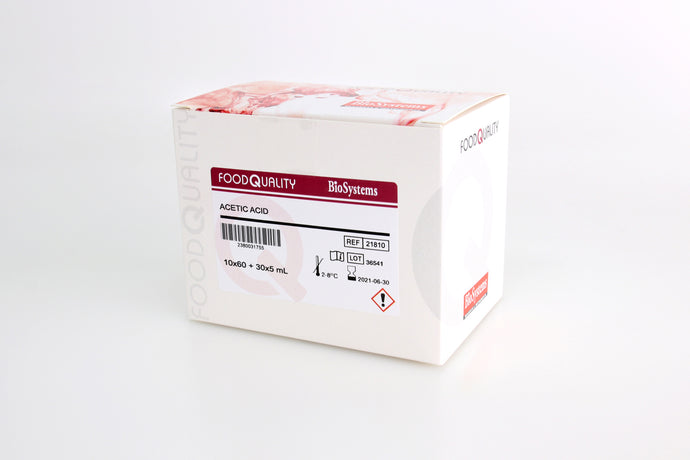 Acetic acid is produced during both alcoholic and malolactic fermentations and helps enhance flavors and aromas. When the wine is aerated or remains in contact with air, acetic acid bacteria can multiply, leading to a problem known as “acetic spoilage”. The characteristic aroma of this spoilage is due to ethyl acetate. Info + Purchase
 -
L-Malic Acid, MAXI kit
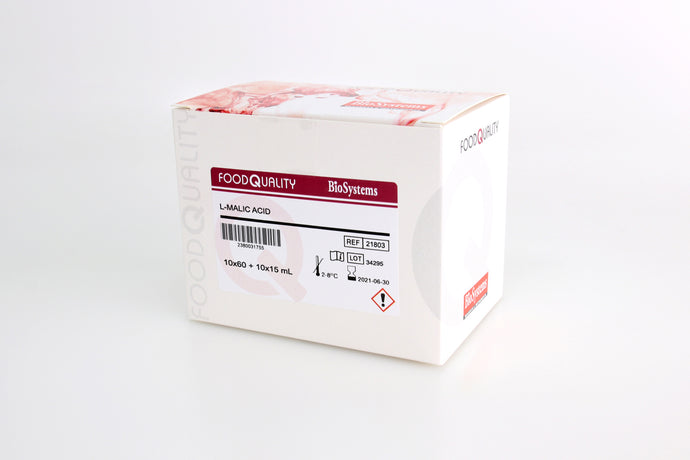 L-malic acid is responsible for the sharply acidic, green apple flavor in wine. It’s fermentation yields L-lactic acid and causes perceived acidity to soften. Info + Purchase
 -
Color, reagent kit for wine, cider, kombucha and beer
 Wine color plays a major role in the impression of quality. Color is also an important indicator in many winemaking processes.Regular use of this test allows enologists to document and confirm their own impressions. Info + Purchase
 -
L-Lactic Acid, Y200 / Y400 and Spica format, reagent kit for wine, kombucha and cider
 L-lactic acid is the product of the metabolism of malic acid during the malolactic fermentation. L-lactic acid is perceived as less acidic and softer on the palate compared to malic acid. Info + Purchase
 -
D-Glucose / D-Fructose, MAXI size
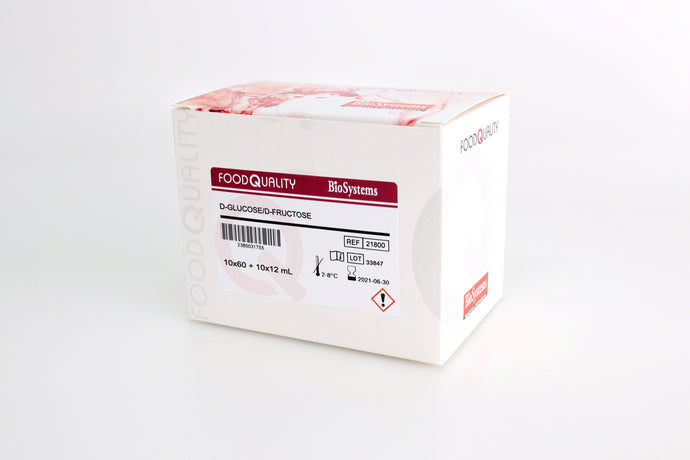 This test indicates the best moment for grape harvesting and allows alcoholic fermentation to be monitored. It is widely used to determine the dryness of the wine before bottling. Info + Purchase
 -
Acetic Acid (Liquid), Maxi Y200/Y400
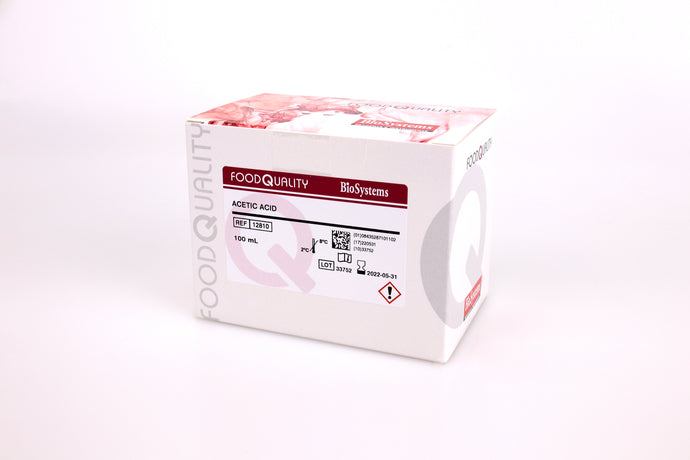 Acetic acid is produced during both alcoholic and malolactic fermentations and helps enhance flavors and aromas. When the wine is aerated or remains in contact with air, acetic acid bacteria can multiply, leading to a problem known as “acetic spoilage”. The characteristic aroma of this spoilage is due to ethyl acetate. Info + Purchase
 -
Ochratoxin-A / Competitive ELISA
 Ochratoxin-A is a nephrotoxic and hepatocarcinogenic microtoxin produced by Penicillium verrucosum and P. viridicatum as well as by several species of Aspergillus, such as A. ochraceus in warm tropical areas of the world. Ochratoxin-A has been found in several cereals and other plant products, in coffee, wine and animal feed. The legally-established maximum levels in Europe for ochratoxin-A depend on whether the food is being used directly for human consumption or as a raw material for prepared products, varying between 2 and 20 μg/kg (ppb). Info + Purchase
 -
Ascorbic acid, reagent kit for wine
 Ascorbic acid is a compound found in ripe grapes at very low levels compared with other acids (30-60 mg/L). It disappears rapidly when grapes are crushed, leading to early oxidation of must. Due to its reducing properties, ascorbic acid is used as an antioxidant. Info + Purchase
 -
D - Lactic Acid, reagent kit for wine
 The excess of bacteria that are producing D-Lactic acid can inhibit alcoholic fermentation, converting some sugars into D-lactic acid. This is one of the main problems in the winemaking process. Levels above 0.3 g/L of D-lactic acid indicate bacterial contamination. Info + Purchase
 -
Tannins (Precipitable)
 This kit is based on the methylcellulose precipitable method (MCP), improving its usability and stability. Tannins are a group of phenolic compounds found naturally in the skin, seeds and stems of grapes used in wine, as well as in the barrels where wine is aged. They are the compounds responsible for the sensation of astringency in wine due to their ability to precipitate salivary proteins, creating a particular tactile sensation. Tannins influence the structure of the wine and contribute to its aging capacity. Info + Purchase
 -
Iron, reagent kit for wine
 Metal components in wine can originate in grapes or the machinery used to make wine. A high iron content can cause clouding due to a lack of solubilization, thus affecting the color and clarity of the wines. Info + Purchase
 -
D-Gluconic Acid / D-, reagent kit for wine
 D-gluconic acid is an indicator of grape deterioration and sanitary condition Info + Purchase


- Previous page
- Page 4 of 5
- Next page