
Collection: Reagents
BioSystems’ reagents are manufactured under stringent quality standards and have a long shelf life, so you can make full use of your quality control investment. BioSystems offers more than 30 enzymatic and colorimetric kits for organic acids, sugars, sulfites, phenolics, and more.
With dependable lot-to-lot consistency and compatibility with supported analyzers, these reagents help labs maintain confidence in their results while improving operational efficiency. In addition to AOAC, ISO and OIV validation, BioSystems’ kits are validated with reference laboratories around the world as well as with in-house QC validation.
-
Ethanol
 Ethanol is a small molecule present mainly in alcoholic beverages, medicinal preparations and food. Ethanol helps to determine fruit quality in the low-alcohol range. The reagent uses a safe, enzyme-based chemical reaction where alcohol dehydrogenase (ADH) converts ethanol into another compound that can be measured by light absorption, ensuring precision. This kit is ready to use, no mixing or preparation required. Info + Purchase
 -
Gluten (AOAC Certified)
 Our goal is to simplify quantitative gluten analysis through automated analysis, easy and safe extraction with fast and reliable results. This method is the only one on the market validated according to the new AOAC guidelines. Gluten is found in certain cereal grains as a group of structural proteins;primarily composed of prolamins and glutelins. Grains containing gluten include all species of wheat, barley, rye, and;some cultivars of oat; moreover, cross hybrids of any of these cereal;also contain gluten, e.g. triticale. Gluten constitutes around 80% of total protein in bread wheat and it is a key compound in bakery and related technological processes in the food industry. Some of these proteins trigger celiac disease, allergies, or intolerances in some individuals, which can only be avoided in a gluten-free diet. Watch our gluten video here. Info + Purchase
 -
D-Glucose/D-Fructose Control (HIGH)D-Glucose/D-Fructose Control (HIGH)
 D-Glucose/D-Fructose Control (HIGH)D-Glucose/D-Fructose Control (HIGH) Info + Purchase
 -
D-Gluconic Acid / D-, Y200 / Y400 and Spica format, reagent kit for wine, kombucha and cider
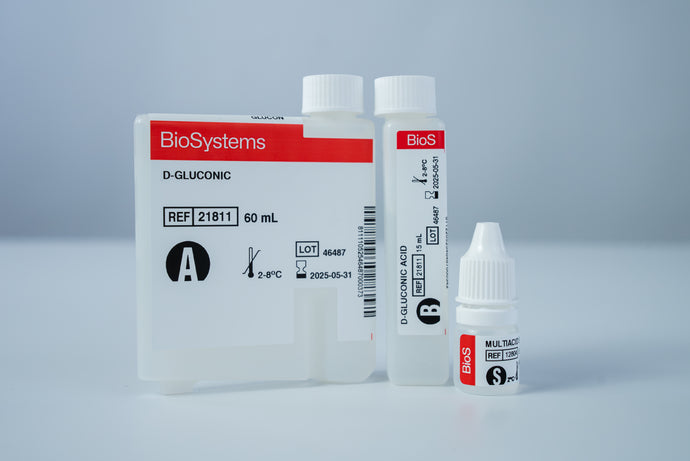 D-gluconic acid is an indicator of grape deterioration and sanitary condition Info + Purchase
 -
Casein Spike Solution Kit

3 mL, 50 ppm Casein
The Casein Spike Solution is intended for the execution of spiking experiments in combination with the Casein ELISA kit.
Info + Purchase -
Ovalbumin, ELISA / 96 wells
 Ovalbumin is an allergenic protein contained in eggs and egg products. As set forth by law, the presence of traces of this protein should be labeled due to the risk posed to the health of allergic individuals. In addition to foods that naturally contain ovalbumin, there may be traces of this protein in processed foods due to cross-contamination or the use of additives. Ovalbumin is used as a clarifier finding agent in the winemaking process. Info + Purchase
 -
Lysozyme, allergen, 96 wells
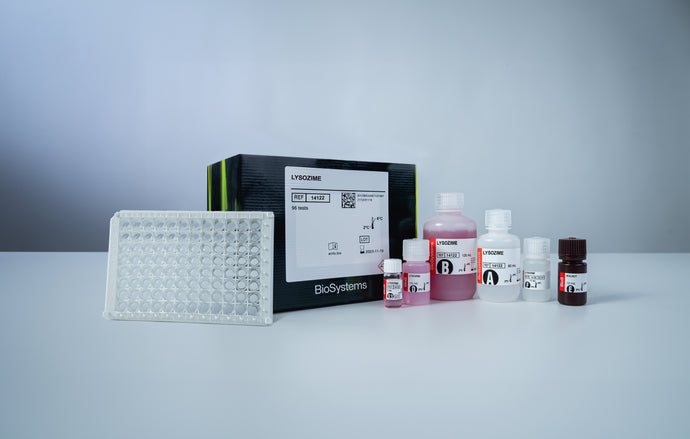 Lysozyme is an allergenic protein contained in eggs and egg products. As set forth by law, the presence of traces of this protein should be labeled due to the risk posed to the health of allergic individuals. In addition to foods that naturally contain lysozyme, there may be traces of this protein in processed foods due to cross-contamination or the use of additives. Lysozyme is used as a preservative in the winemaking process. Info + Purchase
 -
Casein, ELISA, 96 wells
Casein is an allergenic protein present in cow’s milk and dairy products made from cow’s milk. The presence of traces of these proteins must be labeled due to the risk it poses to the health of people with allergies, as set forth in the legislation. In addition to foods that naturally contain casein, there may be traces of these proteins in processed foods due to cross-contamination or the use of additives. Caseins are used as clarifier or fining agent in the winemaking process. Info + Purchase
-
Histamine, reagent kit for wine
 Histamine is a biogenic amine, a chemical compound formed by the action of microorganisms on amino acids present in foods. High amounts of histamine in food can cause organoleptic alterations as well as trigger undesirable effects once consumed and, therefore, histamine concentrations should be controlled. Although it is true that there are currently no global regulations, acceptable limits for histamine concentrations in wines are around 10 ppm. Info + Purchase
 -
Pyruvic Acid
 Pyruvic acid is an organic acid naturally present in wine and one of the acids that most influences its body and mouthfeel. Pyruvic acid is a result of the fermentation process and contributes to the organoleptic properties of wine, but must be controlled because selective sulfite-binding shortens the life of the wine. Info + Purchase
 -
Glycerol, reagent kit for wine
 Glycerol is an indicator of the quality of finished wine and is extremely important for the mouthfeel. High glycerol concentrations add sweetness, body and fullness to the wine. Info + Purchase


- Previous page
- Page 5 of 5